Eysturoy · Faroe Islands
Gjáarvegur
61Eiði to Gjógv
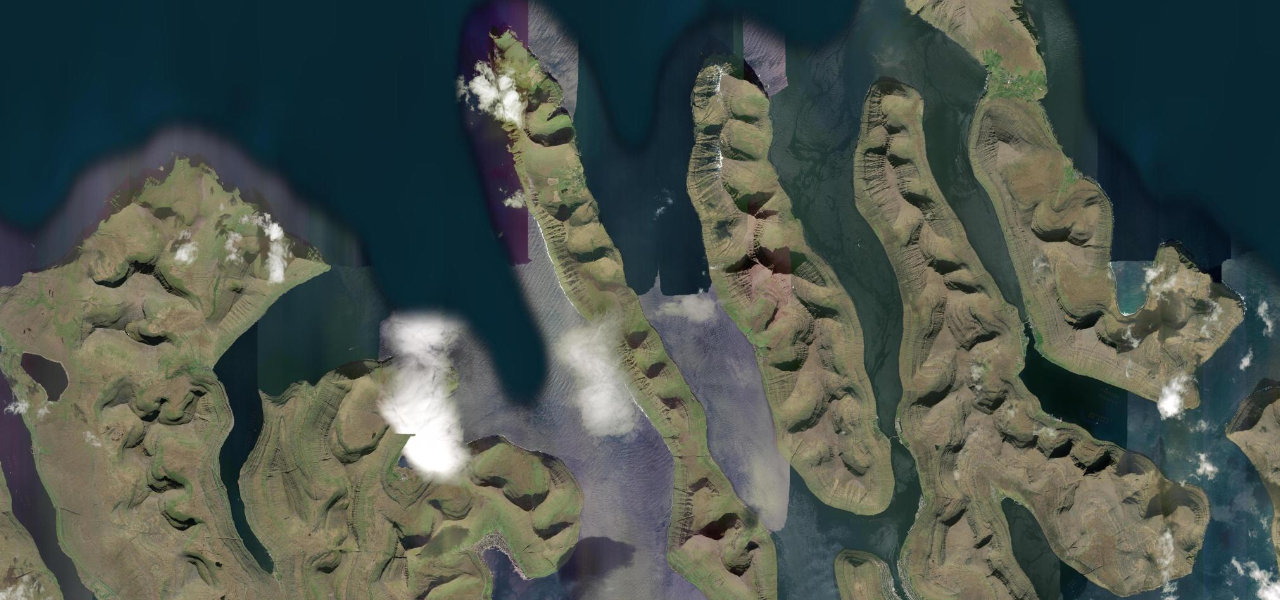
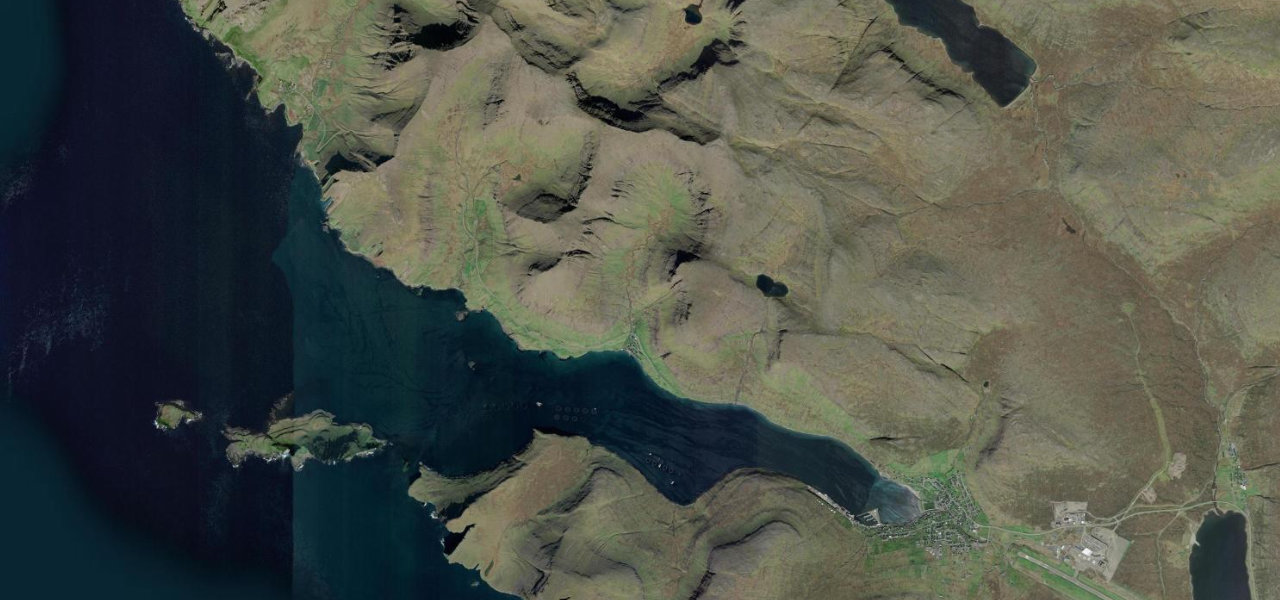
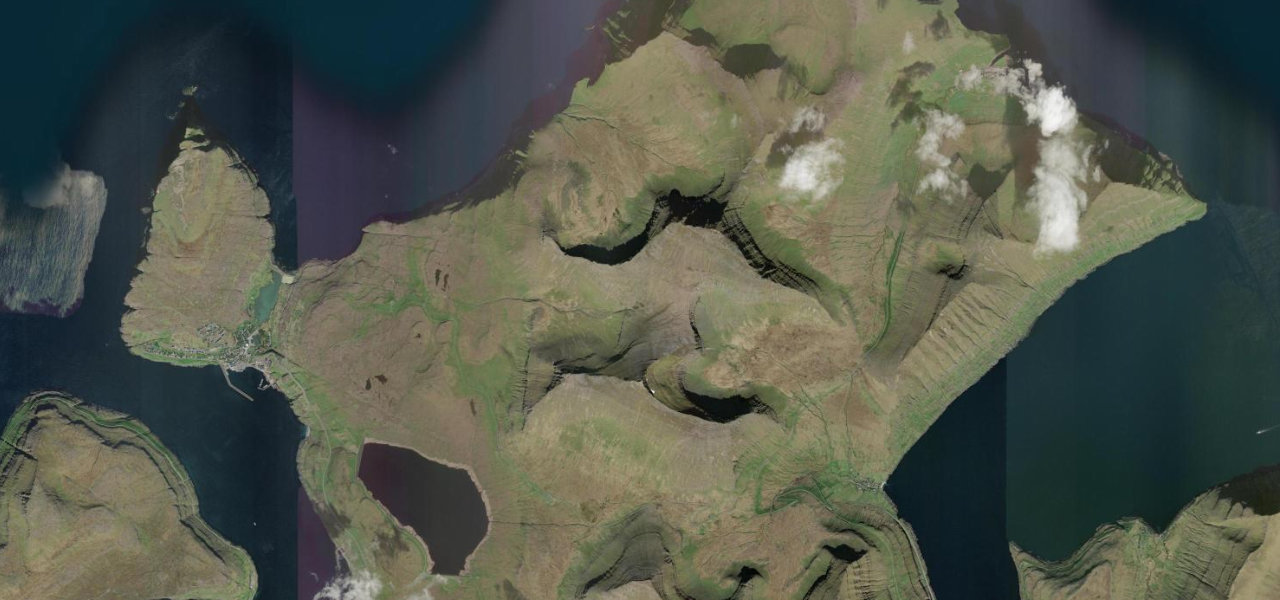
Gjáarvegur climbs from coastal Eiði over the flanks of Slættaratindur, the Faroes' highest peak at 880 m, before a spectacular hairpin descent into Gjógv, grass-roofed houses at the head of a 200 m sea gorge.
Leaving Eiði the road ascends onto open moorland, the fells growing as the tarmac narrows; the Gjáarskarð pass at around 300 m is the turning point, ahead only ocean and sky, before switchbacks drop into the gorge village. Gjógv’s natural harbour is a crack in the basalt cliffs; the return via Funningur makes a loop.
Gjáarvegur on the map8.1 mi · point to point
Navigate to the start: Apple Maps · Google Maps
Character
Corners
busiest around mile 6Elevation
under 4%4–8%over 8%67.1 – 447.5 mPoints of interest3 stops
- Risin og Kellingin viewpointViewpoint1.0 mi in
- SkeggjanøvViewpoint6.1 mi in
- HvíthamarViewpoint5.7 mi in
Hazards
- Closed or impassable in winter snow
- Narrow with roadside ditches on the descent
- Unpredictable Atlantic weather
See the typical season and live conditions for the high passes ›
Sources
“The hairpin-bend drive down to Gjógv from the Faroes' highest peak is arguably the prettiest on the islands.”
Verified route: mapped from real road geometry and fact-checked by a human editor. How roads get checked
Driving the Gjáarvegur: quick answers
How long does it take to drive the Gjáarvegur?
How difficult is the Gjáarvegur to drive?
When is the best time to drive the Gjáarvegur?
Nearby roads
The closest great drives to Gjáarvegur.