La Palma, Canary Islands · Spain
Roque de los Muchachos
LP-4Santa Cruz de La Palma to Roque de los Muchachos
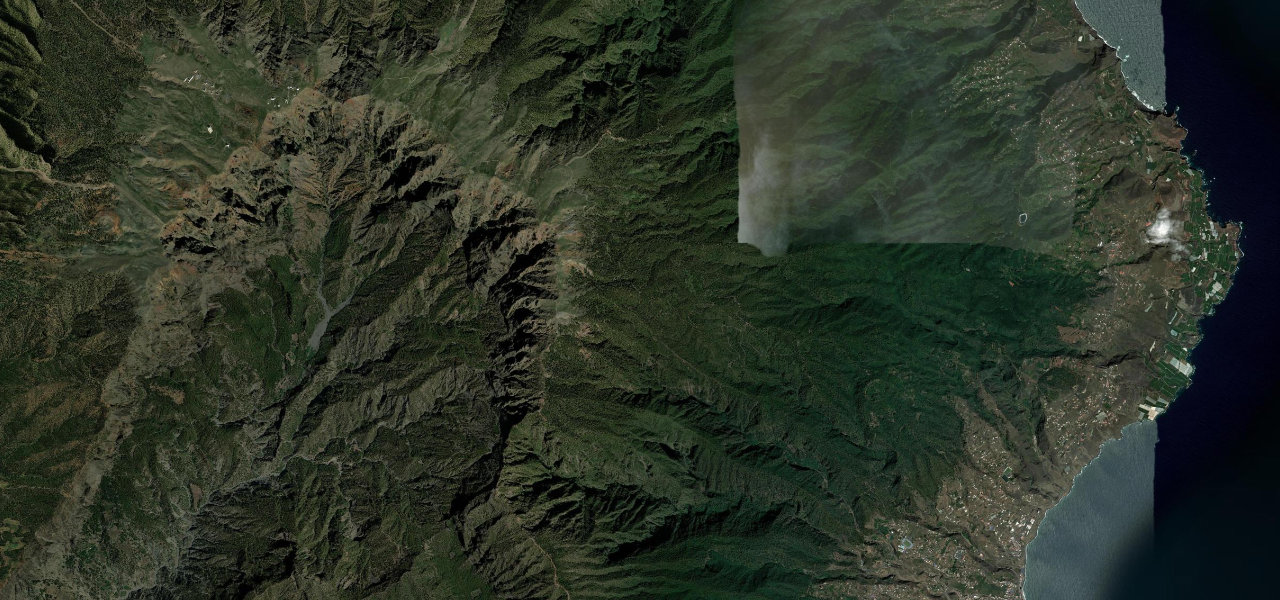
A relentless ascent from sea level to 2,426 m through pine forest and bare rock to one of the world’s premier observatories, climbing so steeply that drivers emerge above the clouds with views across three other Canary Islands.
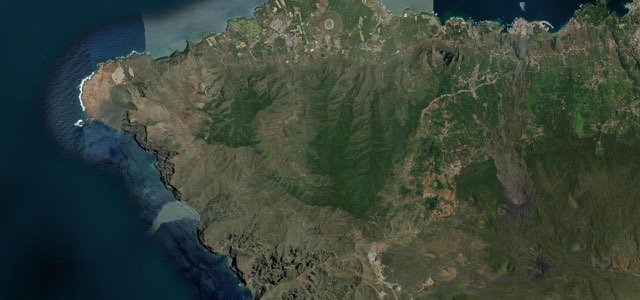
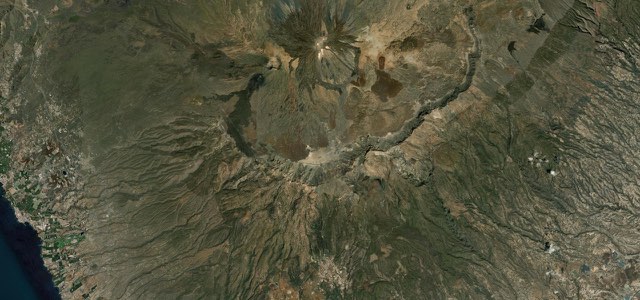
The LP-4 branches from LP-1 on La Palma’s east coast and climbs over 36 sinuous kilometres at an average 7% with ramps to 12%, houses giving way to laurel then soaring Canarian pine, the trees thinning until bare volcanic rock and the observatory domes appear. Above the cloud inversion the views reach Tenerife, La Gomera and El Hierro; the road ends at the summit car park by the Isaac Newton Telescope.
Scenery
Best seasons
In these collections
In these guides
Roque de los Muchachos on the map21.1 mi · point to point
Navigate to the start: Apple Maps · Google Maps
Character
Corners
busiest around mile 11Elevation
under 4%4 to 8%over 8%171 to 2,301 mFrom the road
Points of interest3 stops
- Mirador de Los AndenesViewpoint19 mi in
- Cumbre San Andrés y SaucesViewpoint17 mi in
- Mirador de Caldera TaburienteViewpoint20 mi in
Hazards
- Extreme fog and low cloud
- Narrow sections with sheer drop-offs
- Snow possible at the summit
- Periodic daytime closures for road works
See the typical season and live conditions for the high passes ›
Sources
“It is fully paved but very steep, reaching an elevation of 2,306m (7,566ft) above sea level. The road provides access to Roque de Los Muchachos, the highest point on the island.”
Route traced from OpenStreetMap, with its stats measured from that line. How the roads are mapped
Driving the Roque de los Muchachos: quick answers
How long does it take to drive the Roque de los Muchachos?
How difficult is the Roque de los Muchachos to drive?
When is the best time to drive the Roque de los Muchachos?
Nearby roads
The closest great drives to Roque de los Muchachos.